

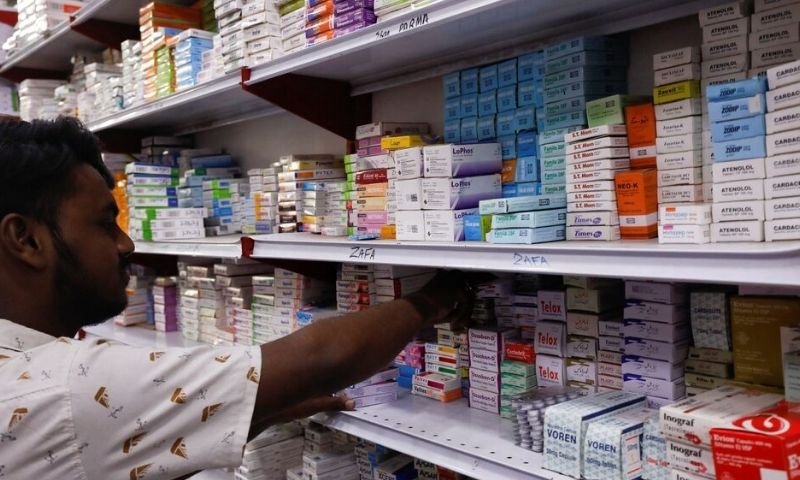

ISLAMABAD: An insulin product used by patients with Type 1 diabetes is facing a shortage across Pakistan after its German manufacturer halted supplies to upgrade its products, Parliamentary Secretary for Health Nelson Azeem told the National Assembly on Friday.
Responding to a concern raised by MNA Syeda Amna Batool, Azeem said the product had remained available in Pakistan until September, but supplies from Germany were disrupted in October, triggering the shortage.
He said the disruption was not limited to Pakistan, with shortages also affecting markets across Asia, Australia and Europe.
“The product will be available as soon as international supplies are restored,” Azeem said, adding that the government was working to resolve the issue.
The parliamentary secretary said the German manufacturer had previously supplied 3,500 kits, but the quantity had since declined to 1,000 kits and could fall further during the manufacturer’s year-long upgrade process.
He said the health ministry had contacted distributors importing the product and asked them to arrange supplies. However, he acknowledged that obtaining stocks would be difficult because the manufacturer had halted production.
Azeem maintained that alternative insulin products with the same dosage and mode of action were available in Pakistan and that patients could switch to them on their doctors’ advice.
“The product is manufactured in Germany. It is an issue that we are trying to resolve,” he said.
Batool expressed concern over the difficulties patients with Type 1 diabetes could face when switching to alternative insulin products. She said the alternatives were at least 20 per cent more expensive and that many patients lacked access to doctors who could guide them through changes in treatment.
She also questioned whether the health ministry and the Drug Regulatory Authority of Pakistan (DRAP) had ensured that alternative products were readily available.
Highlighting the scale of diabetes in Pakistan, Batool said millions of people, including children, were affected by the disease.
Changing insulin products requires appropriate medical guidance, as patients may need adjustments to their treatment and close monitoring to maintain safe blood glucose levels.
The latest admission follows a health ministry statement issued on Tuesday rejecting reports of a widespread insulin shortage. Authorities said only one brand was unavailable because of international supply constraints.
Health ministry spokesperson Sajid Shah identified the affected product as insulin glulisine, marketed as Apidra by Sanofi.
He said alternative rapid-acting insulin products from the same pharmacological class, including insulin aspart, marketed as NovoRapid by Novo Nordisk, and insulin lispro, marketed as Humalog by Eli Lilly, were available nationwide.
Shah added that other major insulin classes remained accessible across Pakistan.
However, Batool’s remarks in the National Assembly highlighted concerns over the affordability and practical accessibility of alternatives, particularly for patients who cannot easily consult a doctor.
The shortage comes amid longstanding concerns over the availability of essential medicines in Pakistan.
According to Dawn, the Pakistan Medical Association warned in August 2025 of what it described as an unprecedented shortage of essential medicines, saying the situation threatened the lives of millions of patients.
The association reported that at least 80 important medicines were unavailable at the time, including 25 for which it said no substitutes existed. The affected medicines included treatments for diabetes, cancer, Alzheimer’s disease, Parkinson’s disease, heart conditions and psychiatric disorders.
The health ministry has attributed the current insulin shortage to an international supply disruption rather than a nationwide shortage affecting all insulin products. However, the duration of the disruption remains uncertain, with the manufacturer’s upgrade process expected to continue for a year.
For patients dependent on the affected product, concerns remain over the availability and affordability of alternatives and access to medical advice to ensure that any change in treatment is made safely.
