

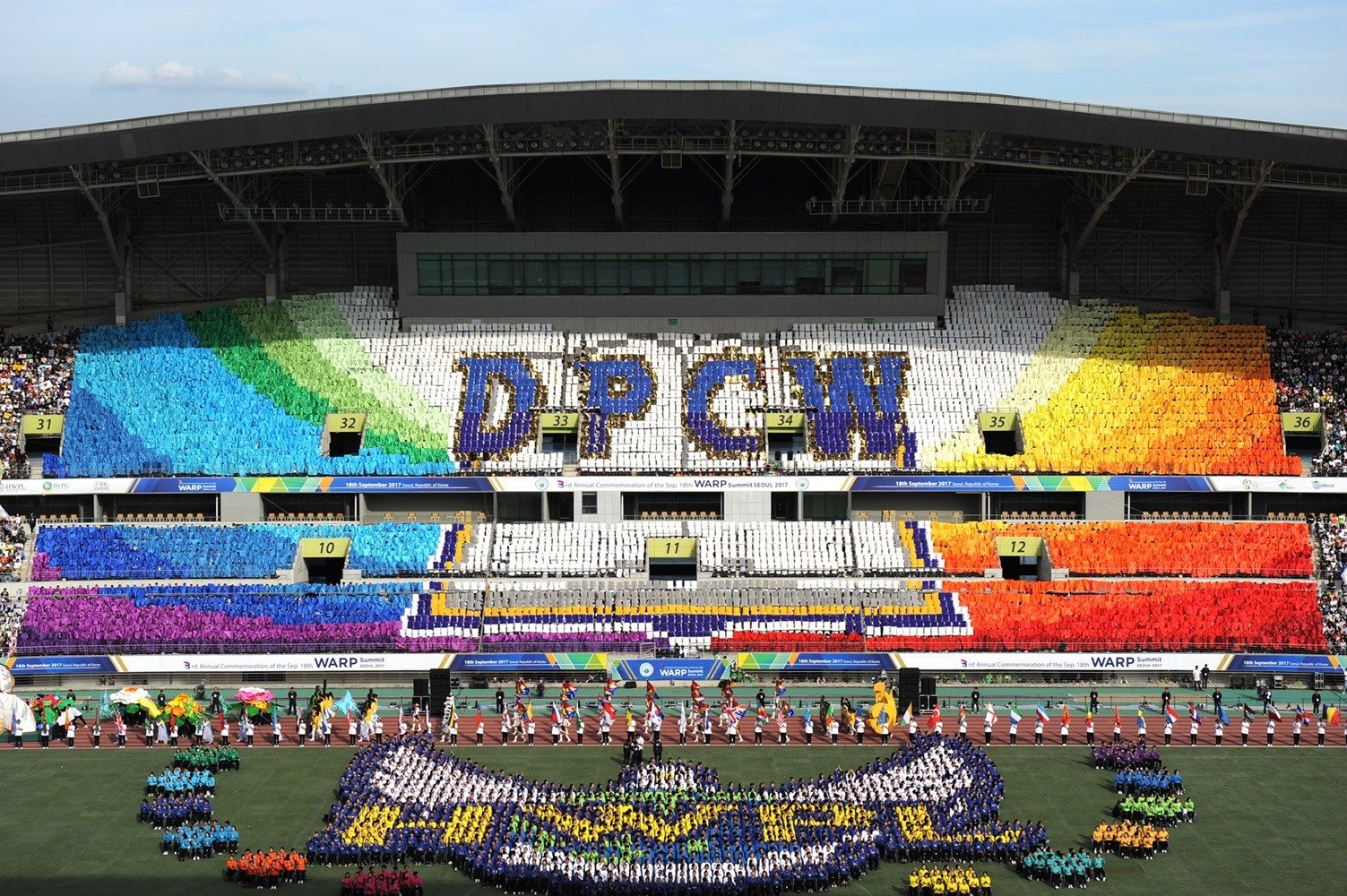

SEOUL: The Declaration of Peace and Cessation of War (DPCW) marked the 10th anniversary of its proclamation this year, renewing discussions on how the international community can prevent wars through legal frameworks, cooperation and shared global standards.
The declaration was first proclaimed on March 14, 2016, with the goal of establishing internationally agreed principles for preventing war and promoting the peaceful resolution of disputes. It was proposed in response to continuing global conflicts and the repeated loss of young lives in wars.
Rather than focusing only on managing conflicts after they erupt, the DPCW presents a framework aimed at structurally preventing war and strengthening cooperation among nations and societies.
Over the past decade, support for the declaration has expanded among governments, international organisations and civil society groups, gradually building a foundation for implementing its proposed principles.
Origins linked to wartime experience
The declaration was developed by Heavenly Culture, World Peace, Restoration of Light (HWPL), an international peace organisation established to promote sustainable peace and prevent the loss of life in armed conflicts.
HWPL’s founding was influenced by the wartime experience of its chairman, Man-hee Lee, who served as a student soldier during the Korean War. Witnessing the devastation of war led to his belief that future generations should no longer be sacrificed in armed conflicts.
Since its establishment, HWPL has worked to connect political leaders, religious communities and civil society organisations to promote peace education, interfaith dialogue and the development of international legal standards for peace.
From peace summit to declaration
The idea behind the DPCW was first raised during the HWPL World Peace Summit held in Seoul on September 18, 2014. The event gathered 1,933 participants from 152 countries, including political leaders, government officials, religious figures, international law experts and representatives of civil society.
Participants concluded that responding to conflicts only after they occur is insufficient to prevent future wars. Instead, they emphasised the need for international standards that promote cooperation and prevent disputes from escalating into armed conflict.
Following the summit, the HWPL International Law Peace Committee (ILPC) was formed in 2015, bringing together international law experts from different countries. After a process of consultation and legal review, the committee drafted the DPCW, which consists of a preamble and 10 articles with 38 clauses.
The declaration was officially proclaimed on March 14, 2016.
Key principles of the declaration
The DPCW outlines several principles intended to strengthen the international system for maintaining peace. These include establishing standards governing the use of force, outlining procedures for peaceful dispute resolution, strengthening international cooperation and collective security, protecting freedom of religion, and encouraging interfaith dialogue.
The declaration also emphasises the role of civil society and religious communities in promoting a culture of peace, expanding the framework beyond a purely state-centred legal system.
Supporters of the initiative say the DPCW does not aim to replace existing international law but instead seeks to complement it by providing more detailed mechanisms to prevent conflicts and promote cooperation.
Growing international support
Over the past decade, support for the declaration has emerged from several international and regional parliamentary bodies.
Resolutions endorsing the DPCW have been adopted by institutions such as the Pan-African Parliament, the Central American Parliament and the Latin American and Caribbean Parliament. National legislatures in countries including Paraguay, the Dominican Republic and South Sudan have also expressed support.
At the civil society level, organisers say around 900,000 citizens from 178 countries have endorsed the declaration, reflecting growing public interest in strengthening international frameworks for peace.
A shift from war to legal solutions
Supporters of the DPCW describe it as part of a broader effort to shift the global system from resolving conflicts through military power toward resolving disputes through law, negotiation and cooperation.
While conflicts may continue to arise, advocates argue that establishing stronger international norms and procedures can help prevent disputes from escalating into war.
Ten years after its proclamation, the declaration remains a proposal aimed at encouraging governments, institutions and citizens to work together to strengthen global peace frameworks.
Its central question remains: what path should humanity take — one where war continues to shape international order, or one where peace is gradually built through law, cooperation and shared responsibility.
