


Pakistan’s Punjab province has received major international acclaim after Forbes ranked its “Suthra Punjab” initiative among the world’s leading models for sustainable waste management and climate innovation. The global magazine highlighted the Lahore Waste Management Company (LWMC) as a standout example showcased at COP30, noting that cities from Nairobi to Jakarta are now examining Punjab’s waste-to-value framework for adoption.
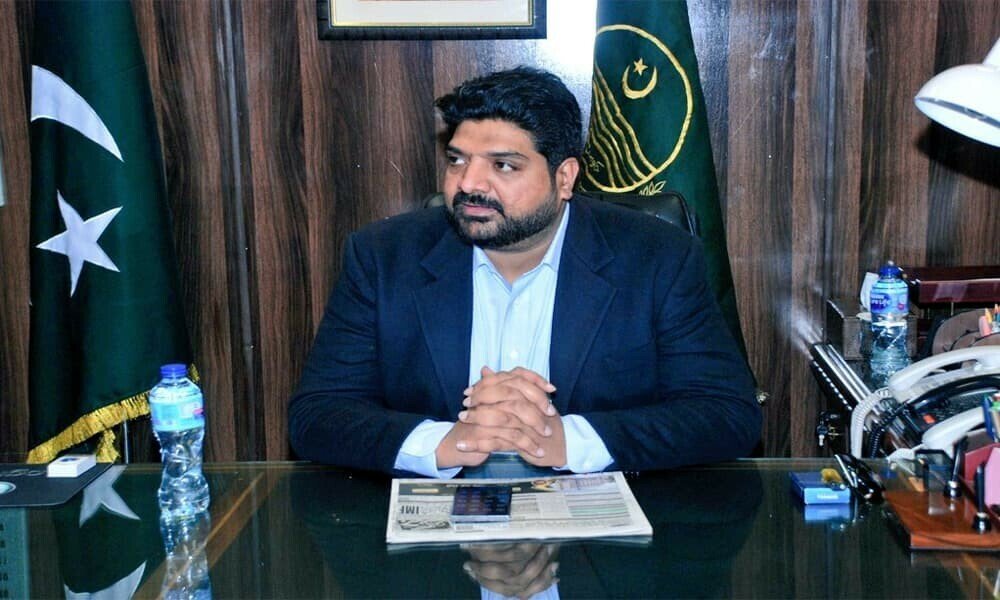
For years, Punjab faced severe challenges in rural waste management, leaving nearly 70 million residents without an organised disposal system. The shift began with the launch of LWMC under CEO Babar Sahib Din, a Pakistan Administrative Service officer. After the 2024 provincial elections, Babar presented an upgraded strategy to the new government. With full support, his team built an integrated waste-collection system spanning the entire province in just eight months, Forbes reported.
A newly established provincial authority now oversees cleanliness in every city and village, collecting around 50,000 tons of waste daily. The entire chain—from collection to dumping—is digitally monitored in real time. Waste-collection vehicles and many bins are equipped with IoT sensors, GPS, and RFID tags that continuously feed data to a central control room. AI tools optimise routes, cut fuel use, and ensure timely operations. Automated weighing machines record every truck’s tonnage and arrival time.
Forbes noted the system’s built-in transparency: contractor payments are directly tied to digital performance data, virtually eliminating corruption. Automatic penalties are issued for violations, improving overall efficiency.
The financial model includes a modest user fee, government grants, revenue from recycling and waste-to-energy operations, carbon credits, and electricity sales. All earnings flow into a transparent joint account used to purchase new equipment. According to Forbes, the project is on track to become financially self-sustaining.
The next phase focuses on converting waste into economic assets. A dedicated recycling unit is already active, while new plans include composting plants, biogas production from landfill gases, and the creation of protein-rich animal feed through black soldier fly larvae. A 25MW waste-to-energy plant is expected to power more than 50,000 homes and reduce carbon emissions by nearly 2 million tons annually.
Environmental and social benefits are also evident. Punjab has seen improved sanitation, a decline in water contamination, and reduced disease spread. The project has created more than 100,000 jobs, employing sanitation workers, drivers, recycling-plant operators, women, and youth across the province.
Forbes concludes that “Suthra Punjab” is eliminating illegal dumping, restoring ecological balance, and establishing Punjab as a regional leader in climate-smart innovation. CEO Babar Sahib Din says the initiative shows that with committed leadership and a motivated team, even massive challenges can be solved in record time.
