

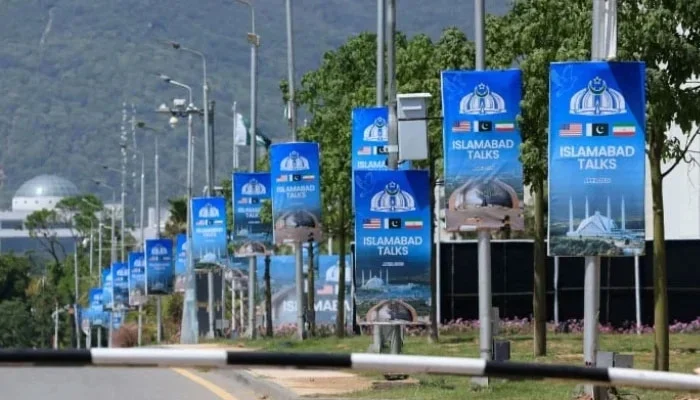

ISLAMABAD: Pakistan is exploring the possibility of reviving stalled talks between the United States and Iran aimed at ending their nearly five-month-old conflict, with diplomatic efforts receiving backing from China, according to Pakistani sources.
Sources said exploratory discussions were held during the recent visit of Iranian Interior Minister Eskandar Momeni to Islamabad, his second trip to Pakistan within the last 10 days.
During the visit, Momeni met Pakistan’s political leadership as well as Chief of Army Staff and Chief of Defence Forces Field Marshal Syed Asim Munir, according to official statements.
The sources, however, cautioned that significant obstacles remain before formal negotiations between Washington and Tehran can resume.
Pakistan’s mediation efforts have become increasingly challenging following the recent escalation in the Middle East, particularly after Yemen’s Iran-backed Houthi movement announced a naval blockade against Saudi Arabia, one of Pakistan’s closest regional allies.
Islamabad has strongly condemned the recent Houthi attacks on Saudi Arabia.
Sources also said Deputy Prime Minister and Foreign Minister Ishaq Dar discussed the latest diplomatic initiative with Chinese officials during his recent visit to Beijing.
While Pakistani officials did not comment publicly on the matter, China’s Foreign Ministry said Beijing supports mediation efforts by Pakistan and other countries aimed at restoring peace and stability in the Gulf region.
China reaffirmed its commitment to playing an active role in efforts to reduce tensions and promote dialogue in the Middle East.
Beijing remains Iran’s largest trading partner and a major buyer of Iranian crude oil despite international sanctions. It has also maintained close political and economic ties with Tehran while supporting diplomatic initiatives to prevent further regional escalation.
Pakistan and Qatar previously mediated negotiations that resulted in the signing of the Islamabad Memorandum of Understanding between the United States and Iran, providing a 60-day framework for talks on a permanent peace agreement.
However, indirect negotiations failed to produce a breakthrough after both sides accused each other of violating the understandings, leading to renewed hostilities.
The situation has become more complicated after the Houthis claimed responsibility for attacks on two Saudi oil tankers, raising concerns over global energy security and regional stability.
According to a Pakistani official, ending attacks on Saudi Arabia and other Gulf states has now become a prerequisite for any meaningful resumption of US-Iran negotiations.
The official said Pakistan has conveyed this position to Iran as Islamabad continues its efforts to encourage dialogue and a peaceful resolution to the conflict.
