

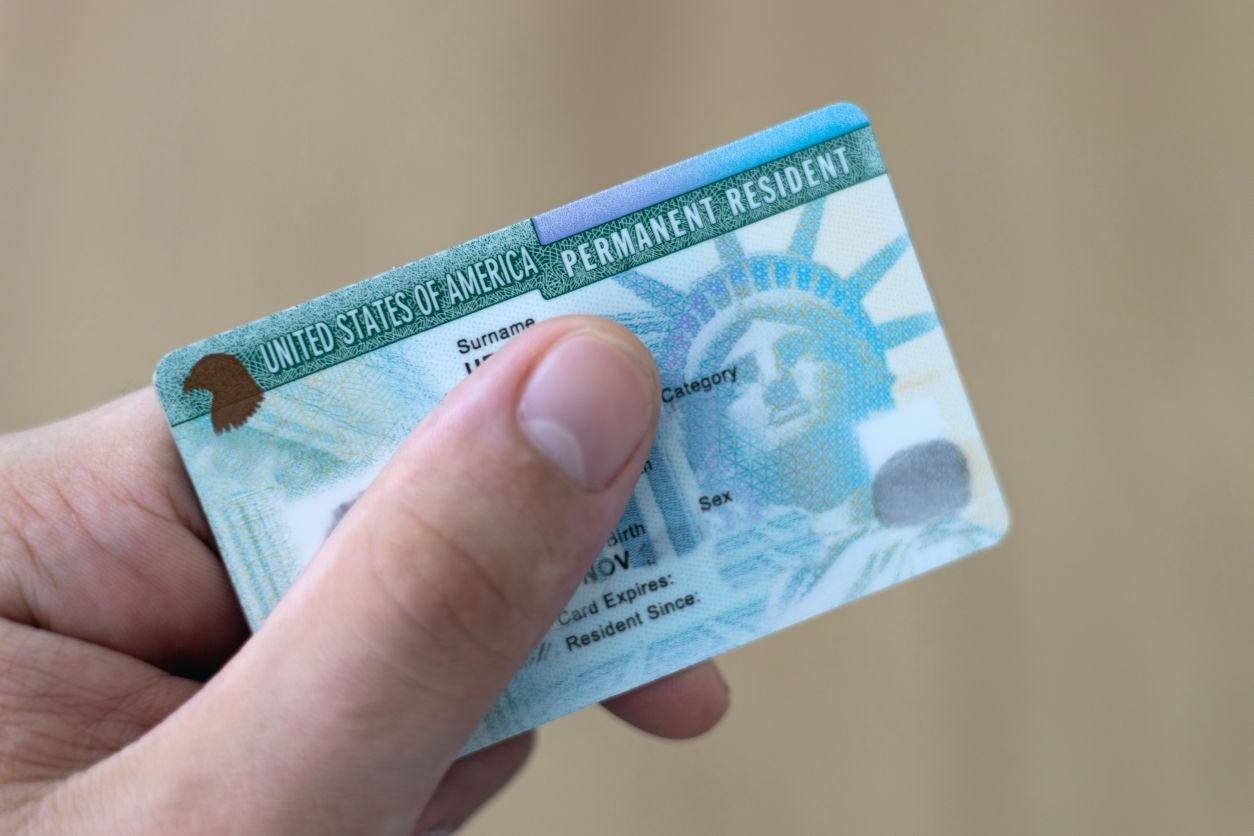

DUBAI: Every year, thousands of foreign workers legally receive US Green Cards through employment-based immigration programmes. For many people across Asia, including those from Vietnam, Pakistan, the Philippines, Sri Lanka, Nepal, Bangladesh and Ethiopia, the dream of living and working in America remains alive.
One legal pathway is the EB-3 employment-based immigrant visa programme, which allows eligible foreign workers to obtain permanent residency through sponsorship by a US employer.
In an interview with immigration specialist John E. Dorer, journalist Hina Arif explored how the programme works and what applicants should know before starting the process.
“The EB-3 programme is not a lottery and it is not a temporary visa,” Dorer said. “It is a legal pathway that can lead to a US Green Card for workers and their families.”
Under the programme, US employers must first show they are unable to find enough qualified American workers for certain jobs. They can then sponsor foreign workers for permanent positions in sectors such as hospitality, food service, manufacturing, warehouses and cleaning services.
Dorer said many people mistakenly believe they need advanced degrees or professional experience to qualify.
“In many cases, applicants only need to meet the requirements of the job being offered,” he explained. “Many successful applicants have never even visited the United States before.”
He also stressed the importance of dealing only with reputable organisations and understanding the process before making any commitment.
“Transparency is very important,” Dorer said. “People should understand the costs, the timeline and every step involved.”
While the process can take around 48 months due to visa limits and government processing times, Dorer said patience is essential.
“There are no shortcuts in legal immigration,” he said. “But for those who follow the process and remain patient, the American dream can become a reality.”
As discussions continue in Washington about immigration reforms, including the proposed Dignity Act, many hopeful applicants are watching closely for changes that could improve processing times in the future.
For workers seeking a legal route to the United States, the message is simple: do your research, follow the law, be patient and work with trusted professionals. Sometimes opportunities take time, but dreams achieved through legal and transparent pathways are often the most rewarding.
