

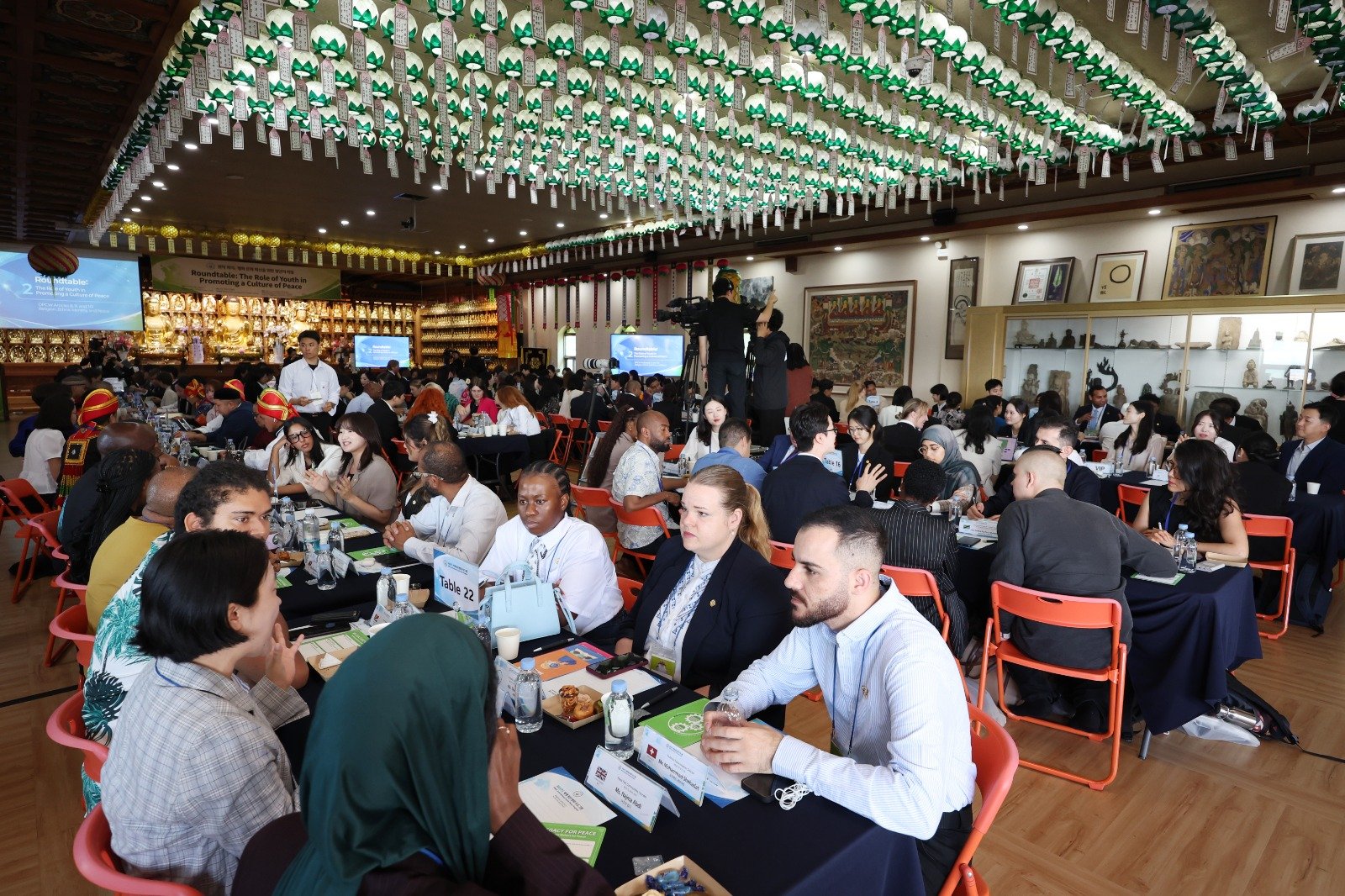

SEOUL: Young people from 43 countries gathered in Seoul for an international peace programme that used Korea’s war history and cultural heritage to explore the values of peace, coexistence and mutual understanding.
Heavenly Culture, World Peace, Restoration of Light (HWPL), an organisation holding Special Consultative Status with the UN Economic and Social Council (ECOSOC), organised the three-day HWPL International Youth Peace Program from September 17 to 19 under the theme “We, the Living Legacy of Peace.”
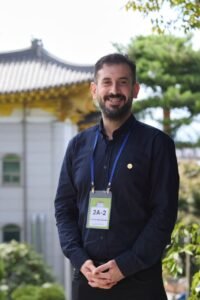
The programme was structured around three stages — Discover, Learn and Act — with the aim of encouraging participants to apply the values they gained during their visit in their own communities.
On the first day, participants visited the War Memorial of Korea, including the Korean War Room, UN Room, UN Monument and Statue of Brothers. The visit focused on the human cost of war and division and encouraged participants to reflect on the role of young people in building peace.
Laisani Sepo, Chairwoman of Fiji’s National Youth Council, said the memorial visit highlighted the determination of young people who had faced the risks and sacrifices of war.
At Insadong, participants explored Korean traditional culture and discussed how understanding unfamiliar cultures can lead to respect for differences and greater exchange between communities.
Alwand Talaat Jawhar Caluri, Program Director of the Public Aid Organization in Iraq, said creating safe and inclusive spaces for young people from different religious and cultural backgrounds could help them exchange experiences and learn from one another.
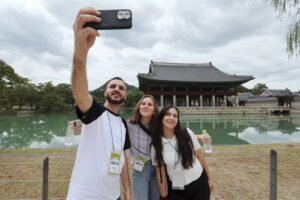
Participants later visited Gwanghwamun and Gyeongbokgung Palace, where they examined the meaning of peace through five values: inheritance, respect, responsibility, change and harmony.
Using examples from the reign of King Sejong the Great, including the Hall of Worthies and the creation of Hangeul, participants explored how leadership, learning and individual choices can influence society and future generations.
Each participant selected one of the five values and outlined actions they intended to take after returning to their respective countries.
Andrew Junior Mwima, CEO of the Mental Health and Anti-Drug Abuse Organisation, said young people could take a leading role in peace initiatives because they were often directly affected by conflict.
“Youths are not the future leaders. We are the leaders of today,” he said.
The second day focused on the “Learn” phase, featuring a roundtable discussion on “The Role of Youth in Spreading a Culture of Peace.”
The discussion examined ways to prevent religious beliefs and ethnic identities from being used as grounds for violence and conflict, drawing on Articles 8, 9 and 10 of the Declaration of Peace and Cessation of War (DPCW).
Participants also attended the International Religious Peace Academy for Youth Leaders, where they examined the teachings and scriptures of Buddhism, Confucianism, Christianity, Islam and Hinduism to develop a broader understanding of different religious and cultural traditions.
The final day focused on the “Act” phase, during which participants shared case studies from the Youth Engagement & Peacebuilding Working Group (YEPW).
Young participants discussed regional peace activities, implementation strategies and plans for expanding YEPW projects. They also worked on their 2027 action plans and identified individual roles in future initiatives.
HWPL Secretary-General Kang Tae-ho said the programme enabled young people from around the world to experience the significance of peace in a country shaped by war and division.
He said peace should not simply be regarded as a legacy inherited from previous generations but as a responsibility to be passed on to future generations.
Sarah Vermaut, a law student at the Free University of Brussels in Belgium, said young people should not underestimate their ability to bring about change.
She said she planned to share what she had learned with fellow students and organise activities in which other young people could participate.
The three-day programme concluded with participants linking the lessons of Korea’s history and cultural heritage to practical peacebuilding activities in their own communities.
