


DUBAI/CAIRO: The United States and Saudi Arabia launched joint military strikes against Iran-aligned armed groups in Iraq on Wednesday, marking Washington’s first military action in the Middle East since President Donald Trump suspended the bombing campaign against Iran last week.
The strikes targeted Iran-backed factions in Iraq following what US and Saudi officials described as earlier drone attacks on Saudi oil facilities launched from Iraqi territory.
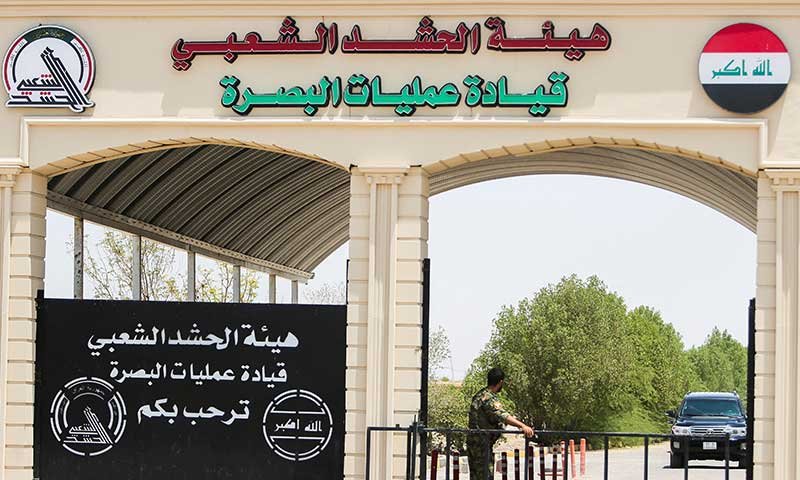
Iraq’s Popular Mobilisation Forces (PMF), the Iran-backed paramilitary groups integrated into the country’s security apparatus, said at least 20 of its members were killed and 32 wounded in the strikes, which targeted several bases across Iraq.
The operation also marked the first publicly acknowledged joint military action by Saudi Arabia alongside the United States during the current conflict, signalling a further expansion of regional hostilities.
Iran responded by rejecting an Omani-mediated proposal for joint regional oversight of the Strait of Hormuz and confirmed it had targeted vessels transiting the strategic waterway as well as US military installations in Jordan.
A senior Iranian official told Reuters that Tehran had rejected Oman’s proposal for shared management of the Strait of Hormuz, describing it as “unreasonable”. Iran maintains that it seeks sole control over inbound maritime traffic and partial control over outbound routes through the strategic waterway.
The Islamic Revolutionary Guard Corps (IRGC) said it had fired ballistic missiles at US military sites in Jordan and struck three tankers attempting to pass through what it described as an unauthorised shipping route in the Strait of Hormuz.
Jordan’s military said its air defence systems intercepted and destroyed five Iranian missiles. The kingdom has become increasingly exposed to the conflict, with several recent attacks targeting US military facilities on its territory.
The renewed violence followed the collapse of diplomatic efforts aimed at ending the conflict, which began in February after US and Israeli military operations against Iran. Fighting resumed earlier this month after a US-Iran framework agreement reached in June broke down over disagreements regarding navigation through the Strait of Hormuz.
Iraq’s Shiite-led government convened an emergency meeting following the strikes as it seeks to balance its close ties with both Tehran and Washington.
The latest escalation also comes as hundreds of thousands of Iranian pilgrims are visiting religious sites in Iraq for annual commemorations, highlighting the deep political and religious links between the two neighbouring countries.
Saudi Arabia has also faced growing pressure from Iran-backed Houthi forces in Yemen, which last week announced a blockade of Saudi oil exports through the Red Sea and launched attacks on ships and energy infrastructure.
The renewed hostilities pushed global oil prices higher, with Brent crude rising 4.6% to nearly USD88 per barrel by mid-morning GMT after prices had declined earlier in the week following the suspension of US bombing operations.
